July 30, 2026
Cabinet improvements can drastically uplift the aesthetics and functionality of homes across the country. This article explores the trends, regional variations, materials, technologies, sustainability efforts, and economic impacts of cabinet improvements nationwide. Understanding these trends helps homeowners make informed decisions that reflect both style and functionality in their living spaces. Ultimately, cabinet improvements play a critical role in enhancing both home equity and quality of life.
Trends in Cabinet Design and Improvement
Rise of Minimalistic Designs
The shift towards minimalistic design in cabinetry is unmistakable, with homeowners favoring clean lines and simplistic layouts. This trend echoes the broader interior design move towards open and clutter-free spaces, promoting calm and order. Minimalistic cabinets often use subtle colors and simple hardware to achieve their streamlined appearance. They appeal to those who appreciate functionality without excessive ornamentation. In many ways, minimalistic designs are driven by the needs of modern life, where efficiency and simplicity are prized.
The Influence of European Styles
European styles have significantly influenced current cabinet designs, favoring a sleek and sophisticated aesthetic. Often characterized by frameless construction, European cabinets maximize space while maintaining a refined look. This style is popular in urban settings where space is at a premium, and every inch of storage counts. The sleek designs often found in European cabinetry lend a futuristic feel to kitchens and bathrooms. Their influence indicates a growing desire for elegant yet utilitarian home solutions.
Color Trends and Finishes
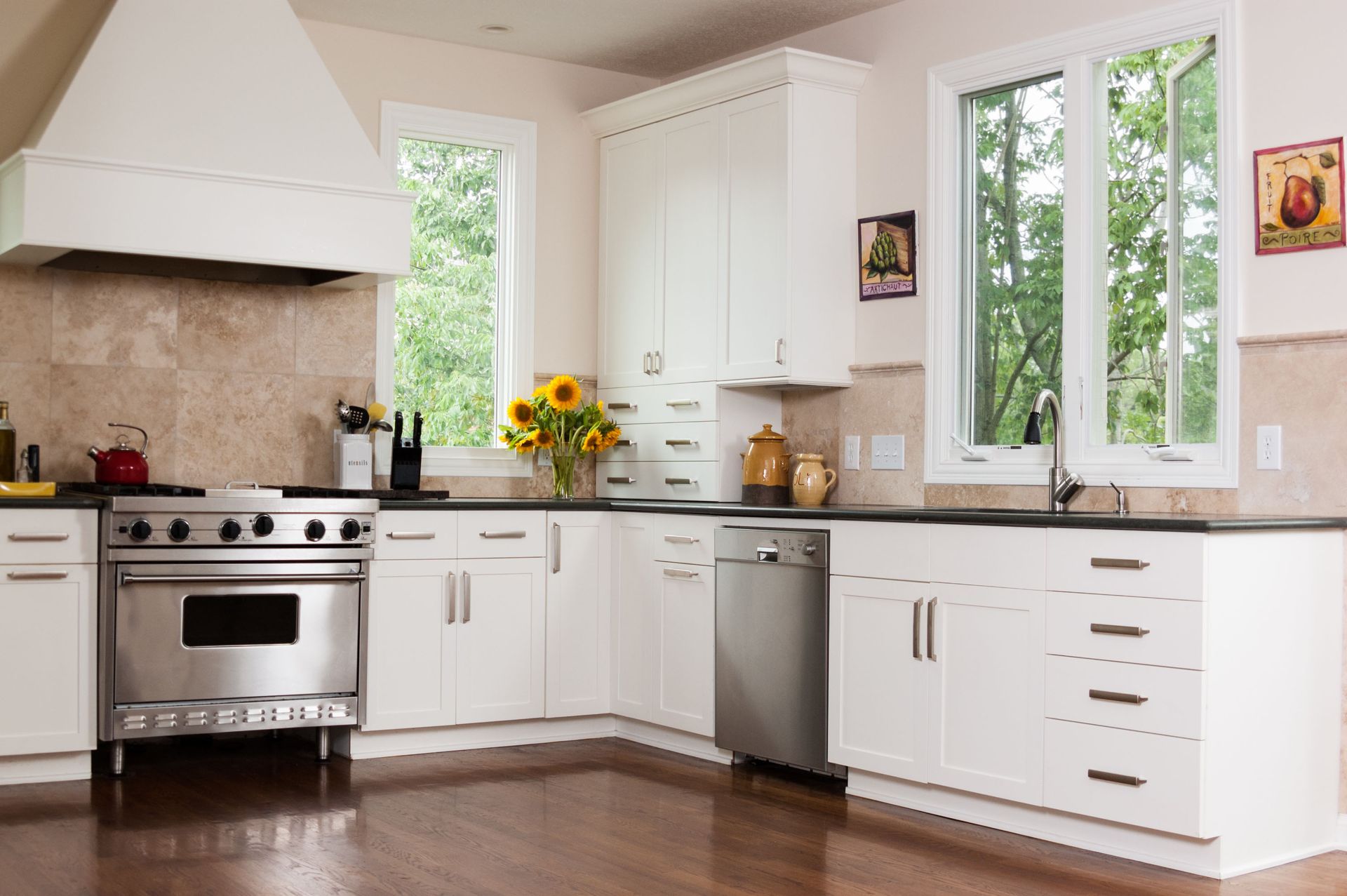
Color trends in cabinet design have seen significant shifts, with white being a predominant choice among homeowners. According to Statista, about one-third of homeowners selected or would opt for white kitchen cabinets, favoring its clean and timeless appeal. Aside from white, there is a notable trend towards bolder colors, like deep blues and dark charcoals, which offer a striking contrast in a room. Matte finishes are also gaining traction, providing a subdued sheen that complements various interior styles. These color trends are not just about aesthetics, but also about creating a cohesive atmosphere in home design.
Impact of Social Media on Trends
Social media platforms have played a crucial role in spreading and influencing cabinet trends. Sites like Instagram and Pinterest allow homeowners to instantly share and explore design ideas across the globe. This accessibility has created a virtual showroom, inspiring a more adventurous approach to cabinet styles. Moreover, social media has accelerated the pace at which trends emerge and evolve, tapping into the collective desires of consumers. Ultimately, it has democratized design by bringing the latest styles directly into the homes of individuals.
Regional Variations in Cabinet Styles
Northeast: Classic and Timeless
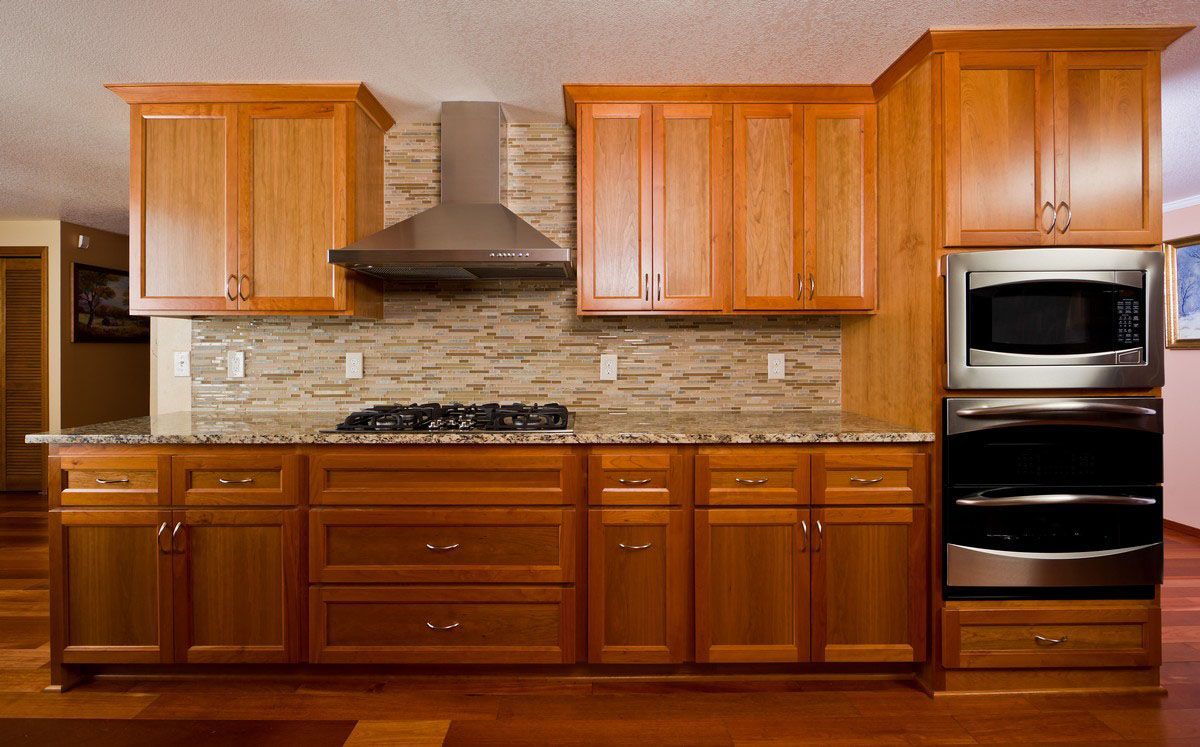
Cabinet styles in the Northeast tend to favor classic and timeless designs. These designs often incorporate traditional elements, reflecting the region's rich historical influences. Hardwood finishes like cherry and oak are prevalent, providing a sense of durability and elegance. Homeowners in this region typically prioritize quality and longevity, seeking cabinets that stand the test of time both in style and functionality. This enduring approach to design emphasizes craftsmanship and attention to detail.
The South: Warm and Traditional
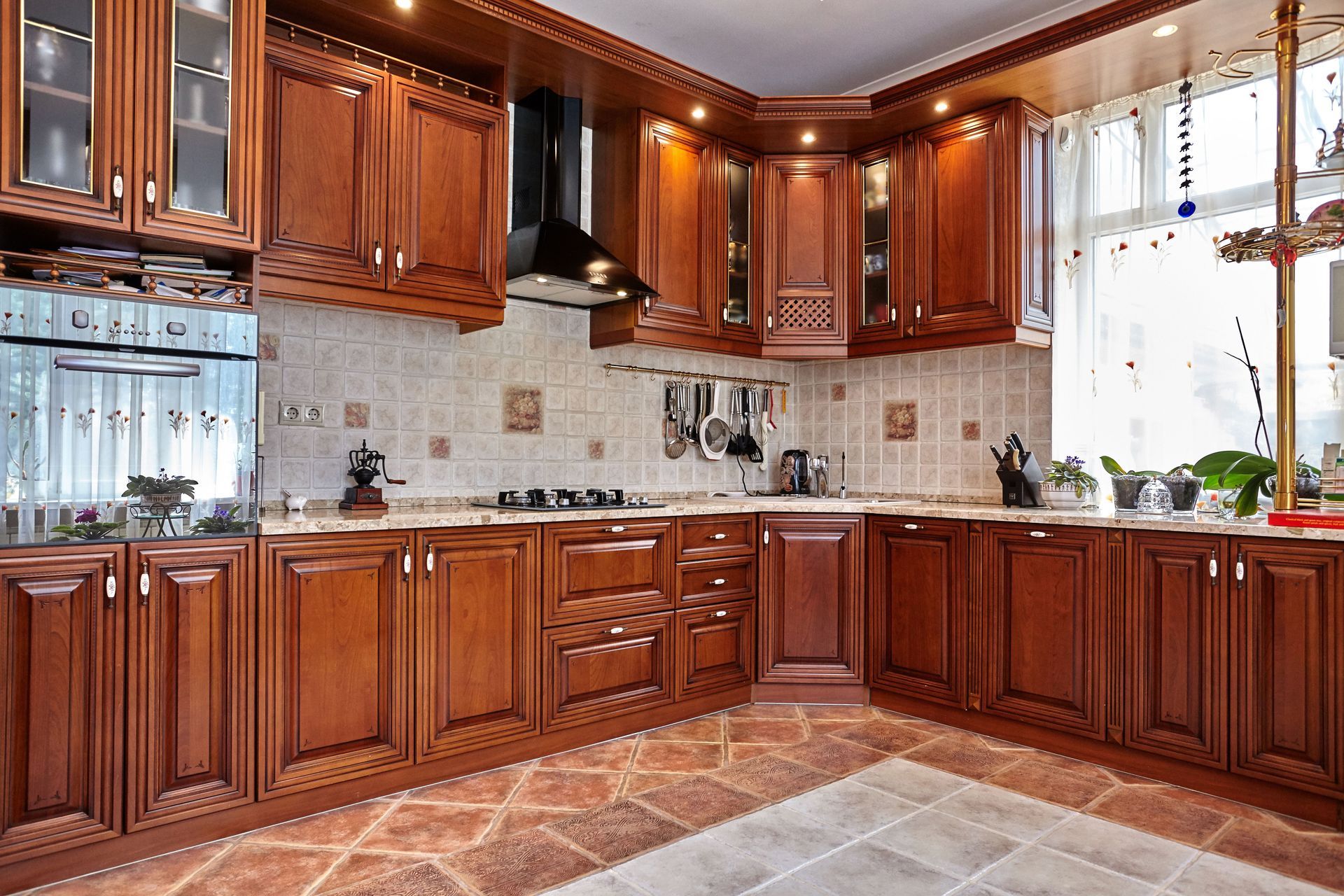
In the South, cabinet styles generally reflect warmth and tradition, in keeping with the local culture. Warm woods like mahogany and pecan are commonly used, enhancing homes with a cozy, welcoming feel. Southern-style cabinetry often features ornate details and custom craftsmanship, celebrating individuality and artistic expression. These designs capture the hospitality and charm emblematic of Southern living. Intricately carved moldings and vintage finishes often grace cabinetry in this region.
Midwest: Bold and Functional
The Midwest favors bold and functional cabinet designs that emphasize practicality without sacrificing style. This region values functional layouts that enhance everyday usability, favoring cabinetry that can withstand heavy use. Bold colors and robust materials frequently appear in Midwestern homes, bringing a fresh and energizing aesthetic. The practicality of these designs caters to the diverse and fluctuating climates experienced across the Midwest. Ultimately, the focus is on creating durable solutions that adapt to a busy lifestyle.
West Coast: Modern and Sleek
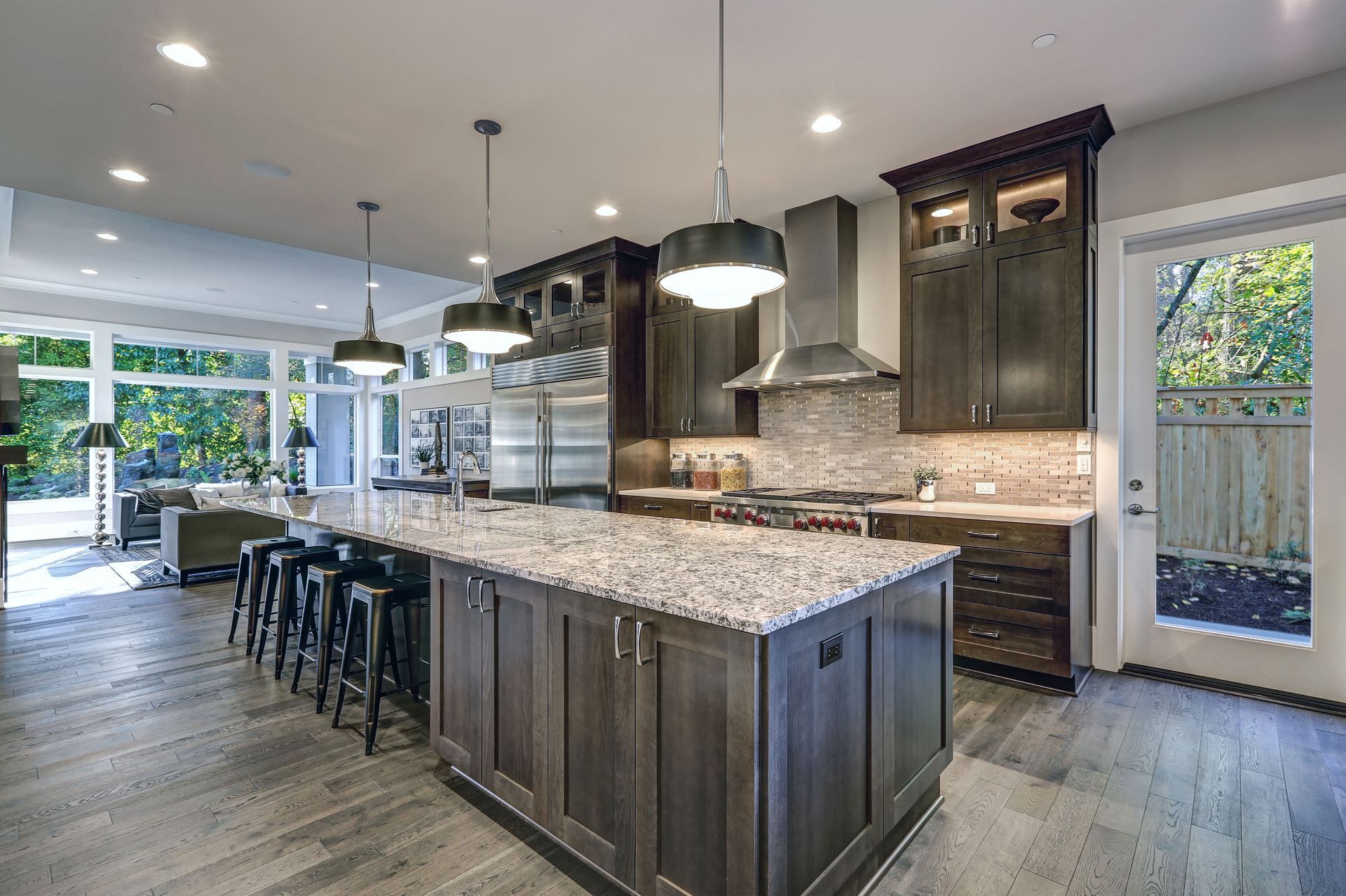
On the West Coast, there is a preference for modern and sleek cabinet styles that align with contemporary architecture. This style often involves clean lines, minimal hardware, and glossy or matte finishes. Using light woods like birch and maple complements the abundant natural light characteristic of this region. West Coast designs are often inspired by a blend of international trends and local aesthetics, emphasizing sustainability and innovation. Cabinets here frequently serve as understated canvases within architecturally progressive homes.
Mountain Region: Rustic and Natural
In the Mountain Region, rustic and natural cabinet styles prevail, mirroring the rugged beauty of the landscape. Designs often include reclaimed wood and distressed finishes, creating an authentic and organic look. This approach honors the region's deep connection to nature, blending indoor spaces with the surrounding environment. Cabinets are often robust and earthy, adding character to the space. These styles are much more than decorative; they reflect a lifestyle rooted in simplicity and an appreciation for natural elements.
Economic Impact of Cabinet Improvements
Local Manufacturing Industries
Cabinet improvements have a tangible economic impact by boosting local manufacturing industries. Investing in local production creates jobs and stimulates economic growth, benefiting the surrounding communities. The economic ripple effect of improved domestic industries extends to supply chains and service providers. Encouraging domestically-produced materials also reduces dependency on imports, enhancing national economic stability. Thus, the cabinet industry contributes to broader economic vitality beyond its immediate sector.
Property Value Increases
Investing in cabinet improvements is a strategic move for homeowners seeking to increase their property values. Tasteful and functional cabinetry upgrades can significantly enhance a home's marketability and appeal. Modern cabinets often yield a higher return on investment by improving the overall aesthetics and functionality of a space. Homes with upgraded kitchens and bathrooms tend to attract discerning buyers willing to pay a premium for quality. Consequently, smart cabinetry investments are vital components of home improvement strategies aimed at equity growth.
Job Creation in Construction and Design
The cabinet improvement industry plays a crucial role in job creation within the construction and design sectors. Skilled professionals, from carpenters to designers, find ample opportunities in this burgeoning field. The demand for specialized labor fuels educational and vocational training in cabinetry and woodworking skills. This demand generates a positive economic feedback loop, as job creation leads to income growth and increased consumer spending. Consequently, the industry's growth stimulates a wide array of ancillary services.
Role in Housing Market Fluctuations
The cabinet industry is intricately linked to housing market fluctuations, directly impacting construction and renovation activities. During housing booms, demand for cabinetry increases, driving economic activity and innovation in design and materials. In market downswings, renovation trends often shift towards simple upgrades like cabinet replacements, as homeowners invest in existing properties. These cyclical relationships showcase the enduring relevance of the cabinet industry irrespective of market conditions. They reveal how cabinetry can remain central to homeowner priorities during changing economic climates.
Influence of Consumer Spending Trends
Consumer spending trends are crucial in shaping the cabinet improvement industry, affecting innovation and market dynamics. Increasing consumer awareness and preference for quality and sustainability influence manufacturer offerings and design trends. Discerning buyers push for innovative solutions and customizable options that reflect personal taste and practical needs. This influence prompts cabinet manufacturers to continuously adapt, respond, and innovate to align with evolving consumer desires. As consumers become more informed, their spending directly impacts market trajectories and available products.
From modern design trends to economic contributions,
cabinet improvements play a pivotal role in shaping both the aesthetic and functional dynamics of homes across the country. As trends and technologies continue to evolve, cabinets will remain integral components of home design, enhancing lifestyles and growing in importance. The industry's ongoing adaptability ensures its lasting relevance in an ever-changing world. If you're considering an upgrade to your home's cabinets, reach out to our team at The Door Company today!