December 2, 2025
The art and science of kitchen remodeling have witnessed a significant upsurge, with the average expenditure now hitting $24,000 according to the Woodworking Network. This increase, a substantial 20% leap from the previous year, underlines both the economic commitment and the desire for functional perfection among homeowners. At the core of this investment lies an aspiration to blend aesthetics with efficiency, echoing the evolving relationship individuals have with their kitchens. Not merely a place for culinary efforts, modern kitchens are envisioned as multifaceted spaces that offer both comfort and style. Whether the motivation is to elevate the home’s market status or simply to craft a personal sanctuary, these remodels promise a significant return on both aesthetic and functional fronts.
1. Design and Aesthetics
a. The Rise of Modern Minimalism
Modern minimalism is redefining the boundaries of kitchen design, characterized by clean lines, uncluttered spaces, and a conscious reduction of excess. This aesthetics-focused approach aims to amplify utility without overwhelming the senses, presenting an inviting environment that breathes simplicity. With fewer elements vying for attention, each piece within the minimalist kitchen holds significant value, fostering an atmosphere of clarity and peace. Homeowners are gravitating towards this trend not only for its visual appeal but also for its inherent ease of maintenance. In a minimalist kitchen, the mantra \"less is more\" reigns supreme, aligning perfectly with the desire for tranquility and efficiency.
b. Popular Color Palettes: Neutrals and Beyond
Color plays a pivotal role in shaping the ambiance and visual harmony of any space, with neutrals being the preferred canvas for contemporary kitchens. From subtle shades of gray and beige to soft pastels, these hues offer versatility and timelessness, proving their worth in enhancing both modern and traditional interiors. Many homeowners are now daring to push beyond typical neutrals by incorporating bold accents—a splash of dramatic blue or a hint of earthy green—to infuse personality while maintaining elegance. This calculated blend of colors reflects a growing trend towards individualized expression within the context of widespread design norms. Thus, color selection becomes more than just an aesthetic choice; it serves as a narrative of style, intent, and personality.
c. Incorporating Smart Technology
Smart technology has become an undeniable force in kitchen planning, offering convenience and customization at the touch of a button. Innovations range from voice-activated lighting and climate control to sophisticated cooking companions like smart ovens and AI-assisted meal planners. By incorporating these technologies, homeowners are not only enhancing the utility of their kitchens but also aligning them with the broader network of their smart homes. As efficiency becomes paramount, the allure of tech-integrated kitchens continues to grow, promising time-saving solutions and a streamlined cooking experience. The fusion of technology with tradition positions the modern kitchen as a forward-thinking hub that meets the dynamic demands of contemporary lifestyles.
d. Open Plan Layouts and Spatial Efficiency
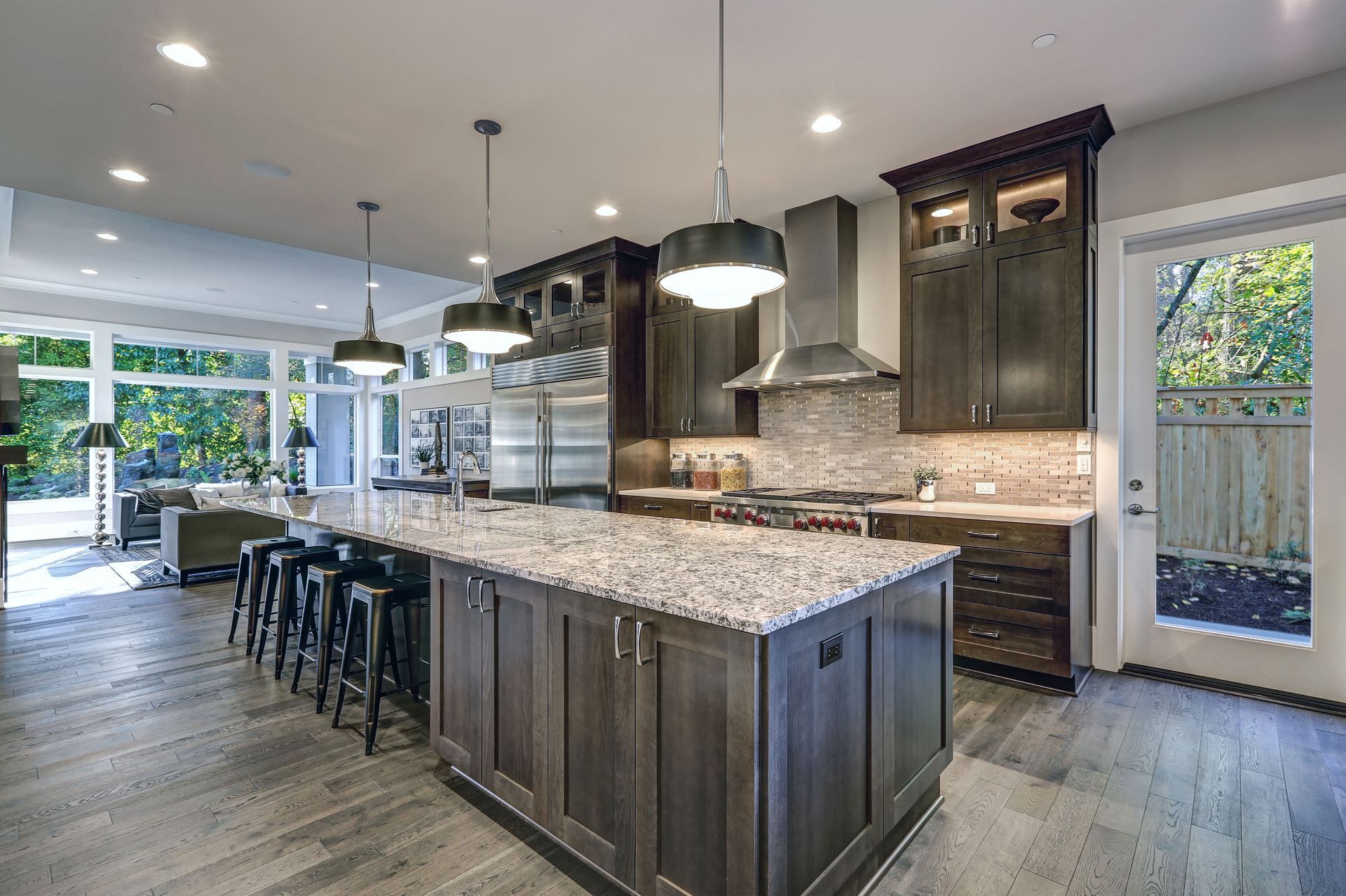
The shift towards open plan layouts reflects a broader cultural embrace of connectivity within home environments. Eliminating barriers between the kitchen and adjoining spaces fosters social interaction and a shared experience, which modern homeowners highly treasure. This architectural approach not only enhances spatial perception but also maximizes natural light, reducing the need for excessive artificial lighting. Moreover, it supports flexibility in functionality, allowing the kitchen to seamlessly transition from a culinary space to a social hub with ease. The emphasis on open planning as part of the design narrative underscores a collective shift towards more harmonious and fluid domestic living environments.
e. High-End Finishes and Materials
A growing trend in kitchen remodels is the pursuit of luxurious finishes and high-quality materials, reflecting both affluence and aesthetic sensibility. From premium quartz countertops to bespoke cabinetry, these elements form a tapestry of visual and tactile splendor that elevates the entire space. Such investments not only embody durability but also contribute to a rich sensory experience that homeowners and visitors alike find alluring. The choice of materials, however, isn't solely driven by elegance; sustainability considerations also play a crucial role, as eco-conscious consumers opt for ethically sourced and environmentally friendly options. This commitment to high standards underscores a deeper appreciation of craftsmanship and enduring beauty in modern kitchen design.
2. Appliance Upgrades
a. Energy Efficiency and Sustainability
The push towards energy-efficient appliances is a significant priority in modern kitchen remodels, driven by both environmental consciousness and the promise of long-term cost savings. Energy Star-rated appliances are increasingly becoming standard, reflecting a shift towards reducing ecological footprints while ensuring functionality and performance. This focus on sustainability aligns with wider trends toward resource conservation, positioning the kitchen not just as a center of domestic life but as a statement of responsibility and commitment to the planet. By investing in sustainable technologies, homeowners find themselves contributing to a greener future without sacrificing the convenience or quality of their kitchen experiences. Consequently, energy-efficient upgrades are celebrated not only for their immediate impact but also for their alignment with global efforts towards sustainability.
b. Smart Appliances: From Ovens to Refrigerators
As technology continues to revolutionize home environments, the integration of smart appliances in kitchens tops the list of remodel priorities. From ovens that can be preheated via app to refrigerators that track inventory and suggest recipes, smart technology offers newfound control and connectivity. These advancements not only facilitate a more interactive cooking process but also ensure that the modern kitchen is equipped to meet the nuances of contemporary culinary needs. With the ability to monitor and manage efficiency remotely, homeowners find themselves empowered by data-driven insights into their daily habits. The surge in smart appliance adoption illustrates a desire for intuitive, responsive technologies that seamlessly weave into everyday life.
c. The Trend Towards Professional-Grade Equipment
As culinary exploration within the home becomes increasingly popular, the trend towards professional-grade kitchen equipment continues to gain momentum. Enthusiastic cooks and novice chefs alike are drawn to the allure of top-tier appliances that promise restaurant-quality results. Professional-grade ranges, ovens, and refrigeration units are no longer confined to commercial use but have become staples in high-end home kitchens as well. These tools not only elevate the quality of food preparation but also add a sense of prestige and refinement to the kitchen environment. By investing in such equipment, homeowners signal a passion for cooking and a commitment to excellence.
d. Blending Appliances with Design
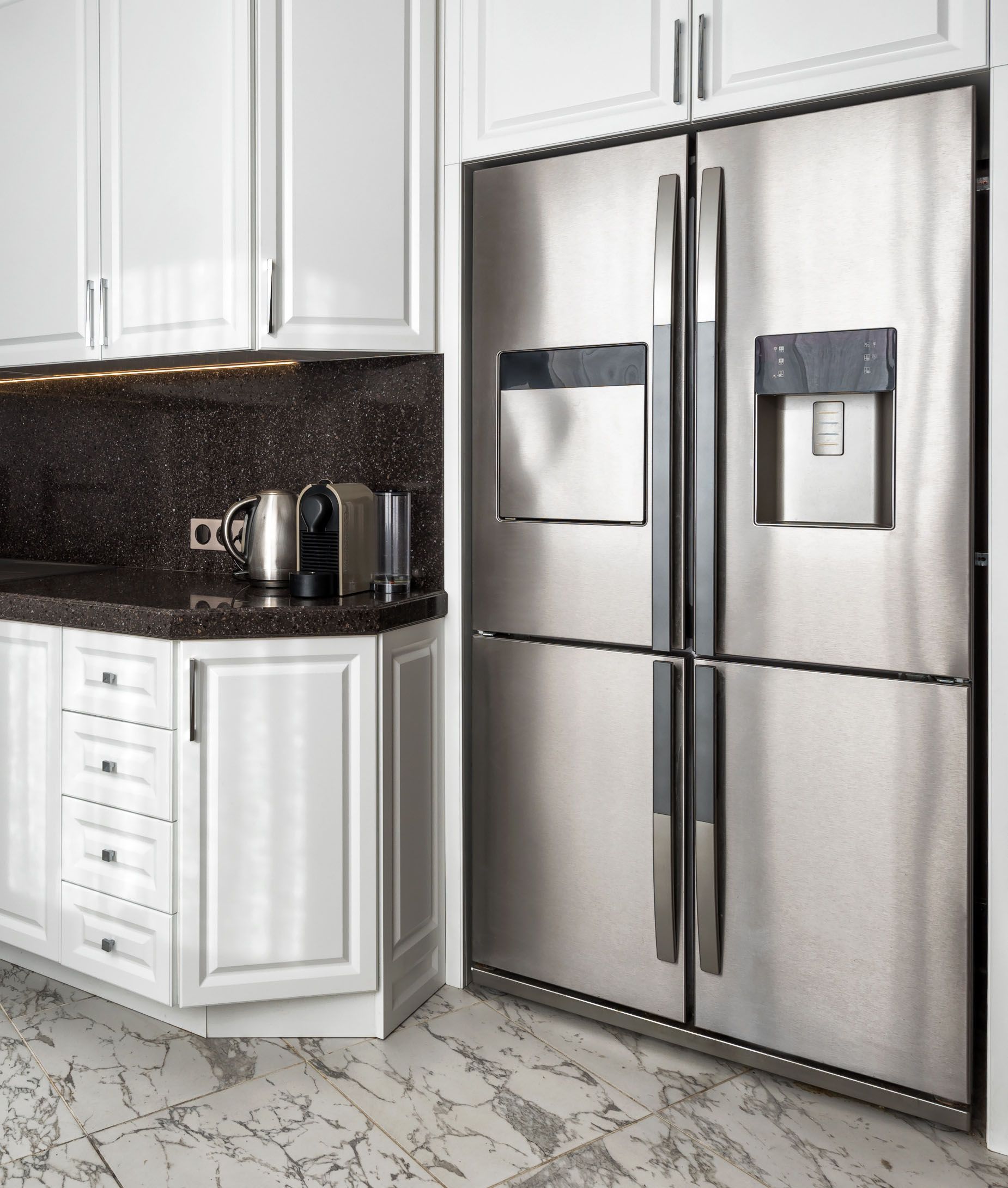
Aesthetic cohesion between appliances and overall kitchen design is increasingly vital, as function merges with form in the world of interior design. This trend sees appliances artfully integrated into cabinetry and countertops, creating a seamless and unified appearance. The emphasis is on achieving a harmonious balance where practical elements do not overshadow design ambitions. Many modern kitchens feature concealed or understated appliances that allow the beauty of materials and finishes to take center stage. This approach underscores the belief that successful kitchen design is rooted in the interplay between visibility, utility, and aesthetic appeal.
e. Future-Proofing with Technology
Future-proofing kitchens with adaptable technology ensures that today’s innovations can easily transition into tomorrow’s upgrades. Homeowners are interested in modular solutions and smart systems that can evolve as technology advances. The incorporation of updatable software in smart appliances, alongside infrastructure that supports technological integration, is becoming standard practice. This readiness for future advancements means kitchens will be able to adapt to new conveniences without the need for extensive overhauls. By embracing future-proof designs, homeowners are not only safeguarding their investments but also ensuring continued access to cutting-edge developments. Be sure to reach out to The Door Company today for more information on our professional cabinet services!